Winter is the best season for wildlife on the Norfolk coast. Tens of thousands of geese arrive from the Arctic, wading birds crowd the mudflats of the Wash, and the coastal reserves are at their quietest for people. This guide covers the main places to go and the guided walks and talks in our listings this winter. Opening times at reserves and visitor centres change through the year, so check them before you set off.
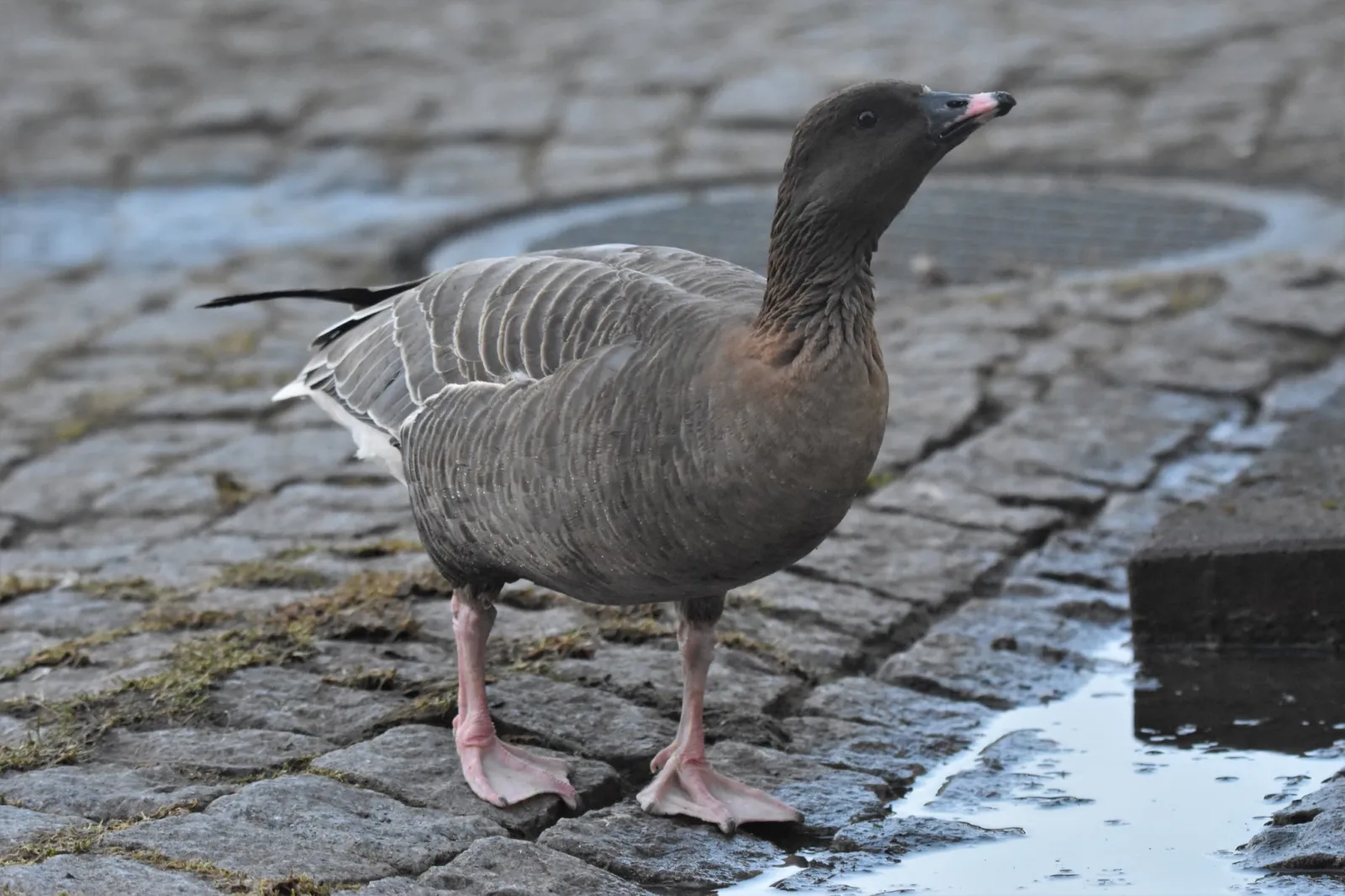
Pink-footed geese at Snettisham
Each autumn, pink-footed geese fly from Iceland and Greenland to spend the winter on the Wash and the north Norfolk coast. They roost on the mudflats overnight and leave at first light to feed inland, often in huge skeins. Our listing for the pink-footed geese at Snettisham runs from October 2026 to the end of January 2027.
The best-known place to watch the dawn flight is RSPB Snettisham, off Beach Road (PE31 7PS). To see it you need to be in place before sunrise, which means a very early start in winter. Holkham is another good spot, with geese against the pinewoods at dusk. Bring warm layers and binoculars, and keep to the marked paths so the birds are not disturbed.
Coastal nature reserves
RSPB Titchwell Marsh
RSPB Titchwell Marsh, between Brancaster and Thornham, is one of the most accessible reserves on the coast. Our listing records wheelchair-friendly trails and buildings, an accessible toilet and baby changing, and mobility scooter hire. Its paths lead from reedbeds and freshwater lagoons out to the beach.
NWT Cley Marshes
Norfolk Wildlife Trust's Cley Marshes visitor centre on the coast road at Cley-next-the-Sea (NR25 7SA) looks out across the reserve's marshes and pools, and has a café serving local produce. The centre has an accessible toilet, baby changing and blue badge parking. Cley was Norfolk Wildlife Trust's first reserve, and the Trust celebrates its centenary in 2026.
NWT Holme Dunes
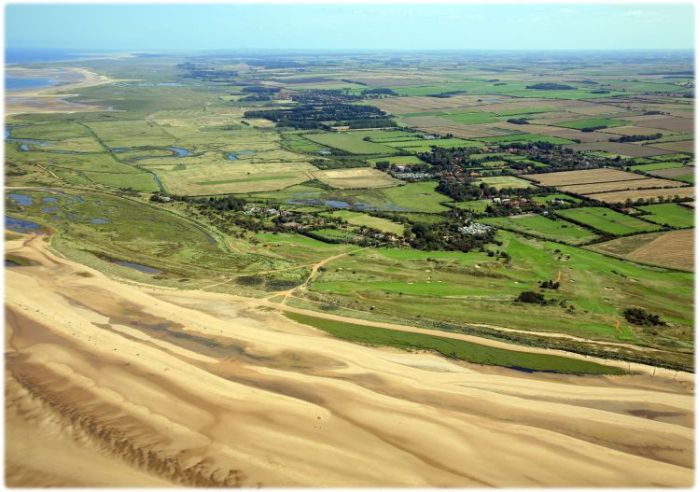
At the western end of the coast, NWT Holme Dunes covers around 220 hectares of dunes, pinewood and marsh, and is an important site for birdwatching. The visitor centre café has outdoor seating and vegetarian and vegan options.
NWT Ranworth Broad, the Broads
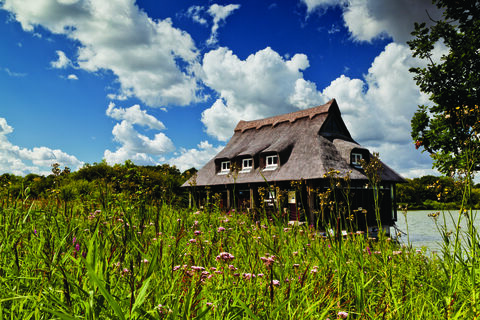
Inland, the Broadland Conservation Centre at Ranworth is a thatched visitor centre floating on the edge of Ranworth Broad, reached by a nature trail. It runs wildlife boat trips in season, so check opening dates before a winter visit.
Grey seals at Horsey
From roughly November to January, grey seals come ashore to have their pups on the beaches around Horsey and Winterton on the east coast. If you go, use the official viewing areas, keep well back from the seals and keep dogs on leads; volunteer wardens are often on hand to help.
Guided walks and talks this winter
Norfolk Wildlife Trust and local groups run a programme of walks and talks through the winter. Highlights in our listings include:
- Norfolk's commons, a talk by Gemma Walker of Norfolk Wildlife Trust, Wednesday 11 November, Lakenham.
- Norfolk wildlife through the lens, photographer Gavin Bickerton Jones, Friday 13 November, Ingham.
- Centenary talk: Norfolk Wildlife Trust 1926 to 2026, Friday 11 December, Ingham.
- Wildlife Watch: Crafty Christmas, a family event at Hickling, Saturday 12 December.
- NWT Thorpe Marshes guided walks with naturalist Chris Durdin on 16 December and 14 January, on the edge of Norwich.
- A seasonal guided walk at NWT Wayland Wood near Watton on Sunday 3 January.
A sheltered winter walk
If the coast is too exposed, Fairhaven Woodland and Water Garden at South Walsham has nearly four miles of woodland trails beside its own private broad, and dogs are welcome on short leads.
Tips for winter wildlife watching
- Check the tide. On the Wash, high tides push birds closer to the shore, and the RSPB publishes the best dates for Snettisham each winter.
- Dress for the wind. The coast is flat and open, and it feels much colder than inland Norfolk.
- Respect the wildlife. Stay on paths, keep dogs under close control and give seals and roosting birds plenty of space.
Browse more nature reserves and wildlife sites in our directory.